UNICEF
Humanitarian Annual Results 2025
UNICEF
Humanitarian Annual Results 2025
In 2025, children in Gaza, the Sudan, Haiti, Myanmar, the Democratic Republic of the Congo and other emergencies around the world faced conflict, hunger, disease, climate shocks and the breakdown of essential services. Even as severe funding cuts forced the humanitarian system to do more with less, UNICEF and partners stayed and continued to deliver in the hardest‑hit places, making tough choices to keep the most vulnerable children alive, safe and learning.
Across 414 emergencies in 101 countries and territories, UNICEF, working with communities, governments, local organizations and United Nations partners, reached over 36 million people with safe drinking water, vaccinated 38.7 million children against measles and supported nearly 100 million young children with early detection and treatment for wasting and other forms of malnutrition. We worked to protect children from grave violations, keep them in or return them to learning, and provide mental health and psychosocial support to millions of children and caregivers whose lives have been upended by crisis.
In 2025, children in Gaza, the Sudan, Haiti, Myanmar, the Democratic Republic of the Congo and other emergencies around the world faced conflict, hunger, disease, climate shocks and the breakdown of essential services. Even as severe funding cuts forced the humanitarian system to do more with less, UNICEF and partners stayed and continued to deliver in the hardest‑hit places, making tough choices to keep the most vulnerable children alive, safe and learning.
Across 414 emergencies in 101 countries and territories, UNICEF, working with communities, governments, local organizations and United Nations partners, reached over 36 million people with safe drinking water, vaccinated 38.7 million children against measles and supported nearly 100 million young children with early detection and treatment for wasting and other forms of malnutrition. We worked to protect children from grave violations, keep them in or return them to learning, and provide mental health and psychosocial support to millions of children and caregivers whose lives have been upended by crisis.
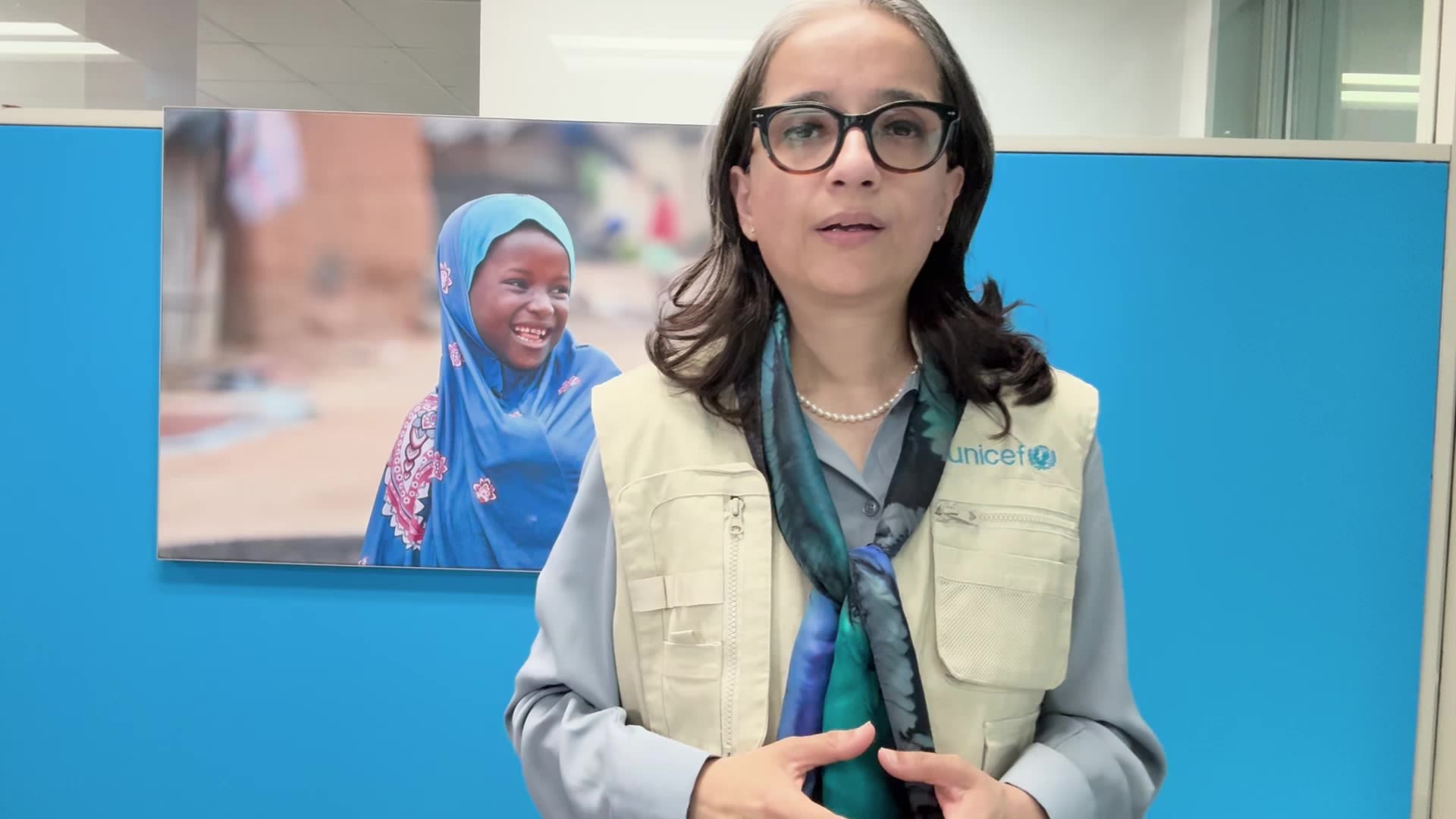
A message from Lucia Elmi,
UNICEF's Director of Emergency Programmes
Results
Stories of Impact
Vanuatu
A 7.3-magnitude earthquake struck Efate in Vanuatu in December 2024, disrupting essential services for an estimated 80,000 people, half of them children. UNICEF and partners responded quickly to help children and families recover from the shock to water systems, schools and health services.
Water trucking began within 24 hours, and safe water access was restored for more than 8,000 people. UNICEF delivered medical supplies and, after 46 schools were severely damaged, helped more than 4,400 children return to learning through temporary spaces, learning materials and integrated psychosocial support.
8,000
People reached with safe water
4,440
Children supported to resume learning
2,199
Children reached with mental health and psychosocial support interventions
2,500+
Children screened for malnutrition
Vanuatu Earthquake
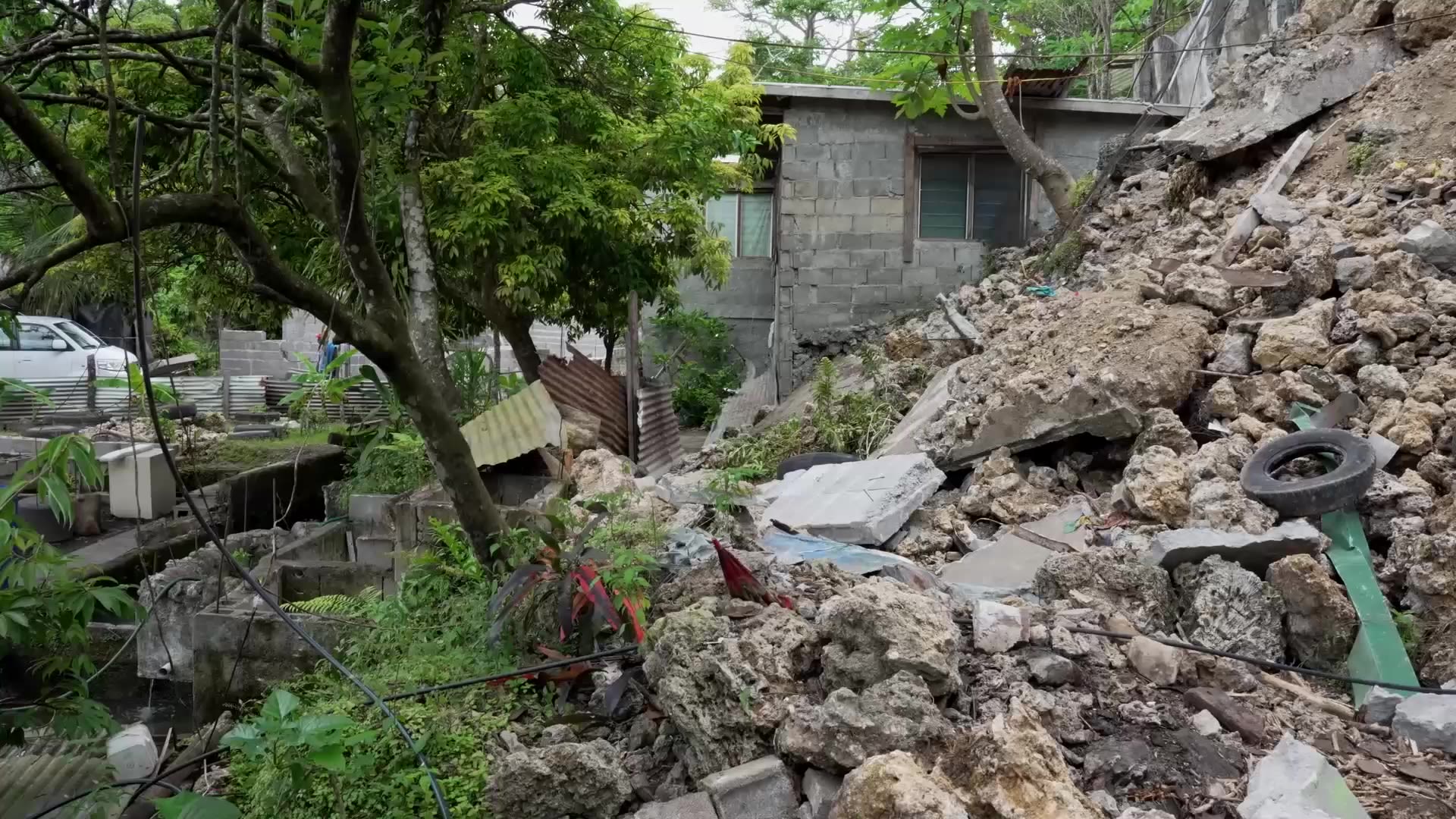
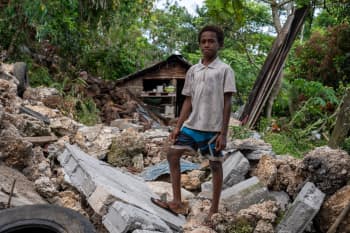
12 year old student Jimmy at Etas Grace primary school in front of damaged classrooms caused by the recent earthquake. Etas, Efate, SHEFA, Vanuatu. © UNICEF/UNI710303/Mobbs
12 year old student Jimmy at Etas Grace primary school in front of damaged classrooms caused by the recent earthquake. Etas, Efate, SHEFA, Vanuatu. © UNICEF/UNI710303/Mobbs
A UNICEF-supported water, sanitation and hygiene (WASH) response team works alongside the Department of Water in Mele Village, Vanuatu, delivering emergency water supplies after the earthquake severely damaged local water infrastructure. Mele Village, Efate, SHEFA, Vanuatu. © UNICEF/UNI707242/Mobbs
A UNICEF-supported water, sanitation and hygiene (WASH) response team works alongside the Department of Water in Mele Village, Vanuatu, delivering emergency water supplies after the earthquake severely damaged local water infrastructure. Mele Village, Efate, SHEFA, Vanuatu. © UNICEF/UNI707242/Mobbs
A student fills his bottle from a water tank installed by UNICEF at earthquake-affected © UNICEF/UNI893367/Mobbs
A student fills his bottle from a water tank installed by UNICEF at earthquake-affected © UNICEF/UNI893367/Mobbs
Mother Stephany who was injured during a 7.3 Earthquake and her 3 year old daughter were very appreciative to be the first to benefit from UNICEF Vanuatu WASH and Department of Water in Mele Village who were water trucking after water supplies were devastated. Mele Village, Efate, SHEFA, Vanuatu © UNICEF/UNI707236/Mobbs
Mother Stephany who was injured during a 7.3 Earthquake and her 3 year old daughter were very appreciative to be the first to benefit from UNICEF Vanuatu WASH and Department of Water in Mele Village who were water trucking after water supplies were devastated. Mele Village, Efate, SHEFA, Vanuatu © UNICEF/UNI707236/Mobbs
Jacklyn, grandmother and her 4 year old grandson Johnathan with their families emergency kit distributed by UNICEF Vanuatu WASH officer Sandrine alongside partners to families in the Erakor Bridge community after the Earthquake. Erakor, Efate, SHEFA, Vanuatu
Jacklyn, grandmother and her 4 year old grandson Johnathan with their families emergency kit distributed by UNICEF Vanuatu WASH officer Sandrine alongside partners to families in the Erakor Bridge community after the Earthquake. Erakor, Efate, SHEFA, Vanuatu
UNICEF Child Protection officer, Rebecca Olul, speaking to 11-year-old Mercy about her experience through the Earthquake and how she has been enjoying the activities taking place each day in the Child friendly space in Tagabe Bridge community. Tagabe, Efate, SHEFA, Vanuatu
UNICEF Child Protection officer, Rebecca Olul, speaking to 11-year-old Mercy about her experience through the Earthquake and how she has been enjoying the activities taking place each day in the Child friendly space in Tagabe Bridge community. Tagabe, Efate, SHEFA, Vanuatu
UNICEF Vanuatu staff hand over backpacks to children affected by the recent earthquake on the second day of school at Central School, Port Vila, SHEFA, Vanuatu. © UNICEF/UNI733856/Mobbs
UNICEF Vanuatu staff hand over backpacks to children affected by the recent earthquake on the second day of school at Central School, Port Vila, SHEFA, Vanuatu. © UNICEF/UNI733856/Mobbs
A Child friendly space set up by UNICEF and partners in the Tagabe Bridge area of Tagabe community after the earthquake. Roshni and volunteers assist children in game of volleyball. Tagabe, Efate, SHEFA, Vanuatu.
A Child friendly space set up by UNICEF and partners in the Tagabe Bridge area of Tagabe community after the earthquake. Roshni and volunteers assist children in game of volleyball. Tagabe, Efate, SHEFA, Vanuatu.
Students of Central School, Port Vila, with their backpacks on the second day of school. These backpacks were distributed by UNICEF staff to children affected by the recent earthquake. © UNICEF/UNI733861/Mobbs
Students of Central School, Port Vila, with their backpacks on the second day of school. These backpacks were distributed by UNICEF staff to children affected by the recent earthquake. © UNICEF/UNI733861/Mobbs
Niger
In Niger, overlapping shocks in 2025 turned an already fragile nutrition situation into a full-blown crisis: global acute malnutrition reached 11.1 per cent nationally and over 17 per cent in Diffa. Severe flooding affected more than half a million people and worsened food insecurity for almost 2 million, while insecurity, rising displacement and seasonal malaria further overwhelmed local health systems.
Using flexible humanitarian funding, UNICEF was able to respond quickly to keep life‑saving nutrition services running in some of the hardest‑hit districts of Zinder, Tillabéri and Maradi, strengthening supply chains of ready‑to‑use therapeutic food, rolling out community‑level malnutrition screening, infant and young child feeding support and hygiene promotion.
62,961
Children screened for malnutrition, including almost 2,000 children identified with severe wasting, the deadliest form of malnutrition.
20,000 +
Parents and caregivers reached through awareness sessions on infant and young child feeding, disease prevention, and hygiene.
8000
Severely malnourished children treated with ready-to-use therapeutic food in 18 health facilities.
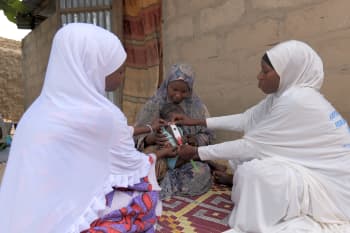
Mariama Seydou, 25, and Nana Nawaratou Kané, 17, two young community volunteers, go door-to-door each morning in their village of Soura Aladey, helping mothers prevent acute malnutrition in children and providing guidance on healthy practices to help prevent illness. © UNICEF/Ali Tondi Moctar
Mariama Seydou, 25, and Nana Nawaratou Kané, 17, two young community volunteers, go door-to-door each morning in their village of Soura Aladey, helping mothers prevent acute malnutrition in children and providing guidance on healthy practices to help prevent illness. © UNICEF/Ali Tondi Moctar
Mariama Seydou, 25, a community volunteer in Soura Aladey, Maradi Region, leads an awareness session with women visiting the local integrated health centre. During the session, she discusses several health topics, including the prevention of acute malnutrition among children. © UNICEF/Ali Tondi Moctar
Mariama Seydou, 25, a community volunteer in Soura Aladey, Maradi Region, leads an awareness session with women visiting the local integrated health centre. During the session, she discusses several health topics, including the prevention of acute malnutrition among children. © UNICEF/Ali Tondi Moctar
Mourtala El Hadji Salissou, a nutritionist at the Soura Aladey Integrated Health Center (CSI), examines a child suffering from moderate acute malnutrition who was referred by community health volunteers. This assessment is a critical step in the identification and treatment of malnourished children. © UNICEF/ Ali Tondi Moctar
Mourtala El Hadji Salissou, a nutritionist at the Soura Aladey Integrated Health Center (CSI), examines a child suffering from moderate acute malnutrition who was referred by community health volunteers. This assessment is a critical step in the identification and treatment of malnourished children. © UNICEF/ Ali Tondi Moctar
Mourtala El Hadji Salissou, a nutritionist at the Integrated Health Center (CSI) of Soura Aladey, hands a sachet of Plumpy’Nut to Fatima Boubacar, a 15-month-old girl and the daughter of Mariama Abdoulaye, 27. Suffering from moderate malnutrition, Fatima was referred to the center for appropriate nutritional care. © UNICEF/ Ali Tondi Moctar
Mourtala El Hadji Salissou, a nutritionist at the Integrated Health Center (CSI) of Soura Aladey, hands a sachet of Plumpy’Nut to Fatima Boubacar, a 15-month-old girl and the daughter of Mariama Abdoulaye, 27. Suffering from moderate malnutrition, Fatima was referred to the center for appropriate nutritional care. © UNICEF/ Ali Tondi Moctar
Fifteen-month-old Fatima Boubacar holds a sachet of Plumpy’Nut, a therapeutic food used to treat acute malnutrition, while being carried by her mother, 27-year-old Mariama Abdoulaye. © UNICEF/Ali Tondi Moctar
Fifteen-month-old Fatima Boubacar holds a sachet of Plumpy’Nut, a therapeutic food used to treat acute malnutrition, while being carried by her mother, 27-year-old Mariama Abdoulaye. © UNICEF/Ali Tondi Moctar
Meet the youth volunteers improving nutrition in Niger
Burkina Faso
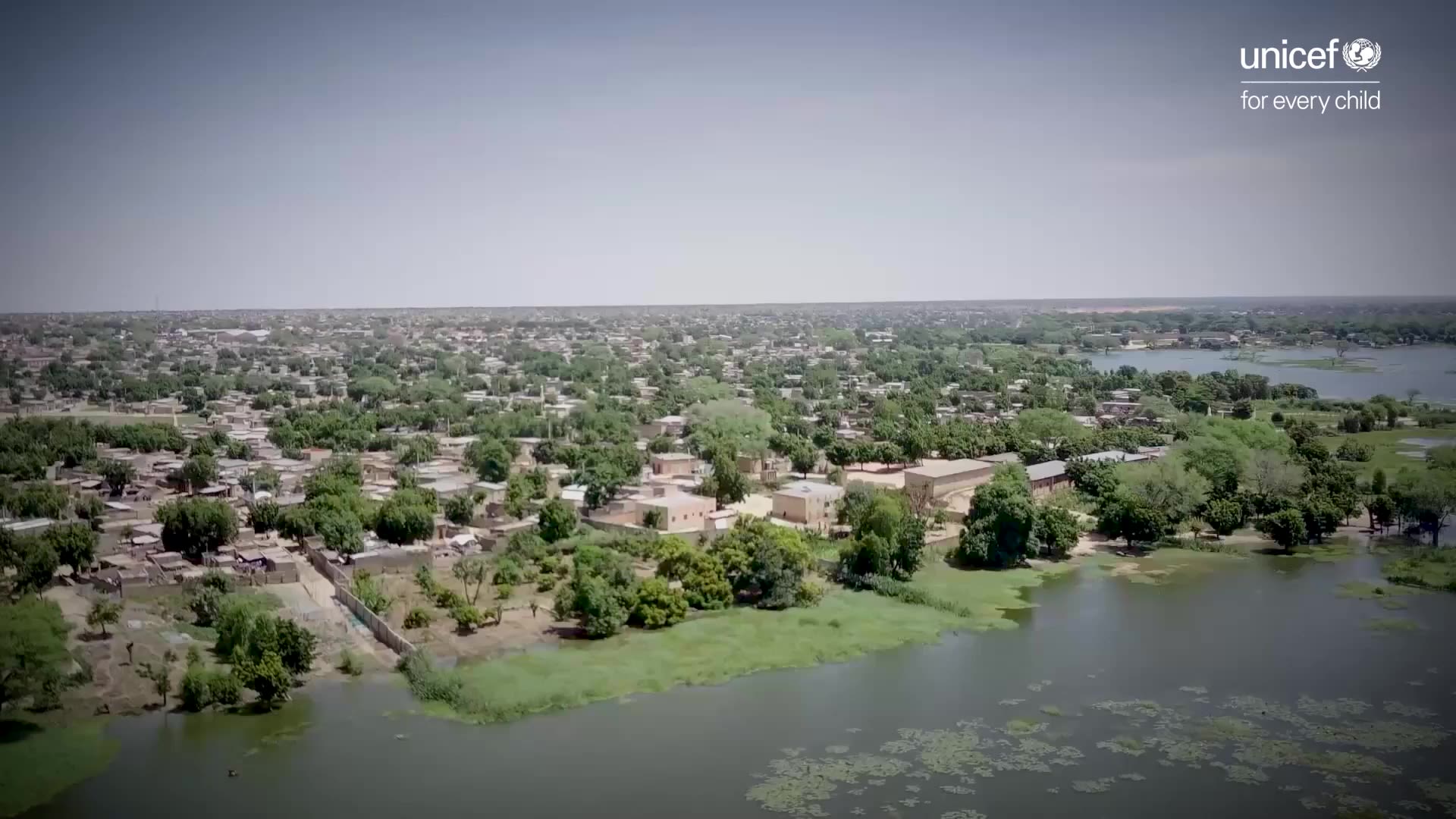
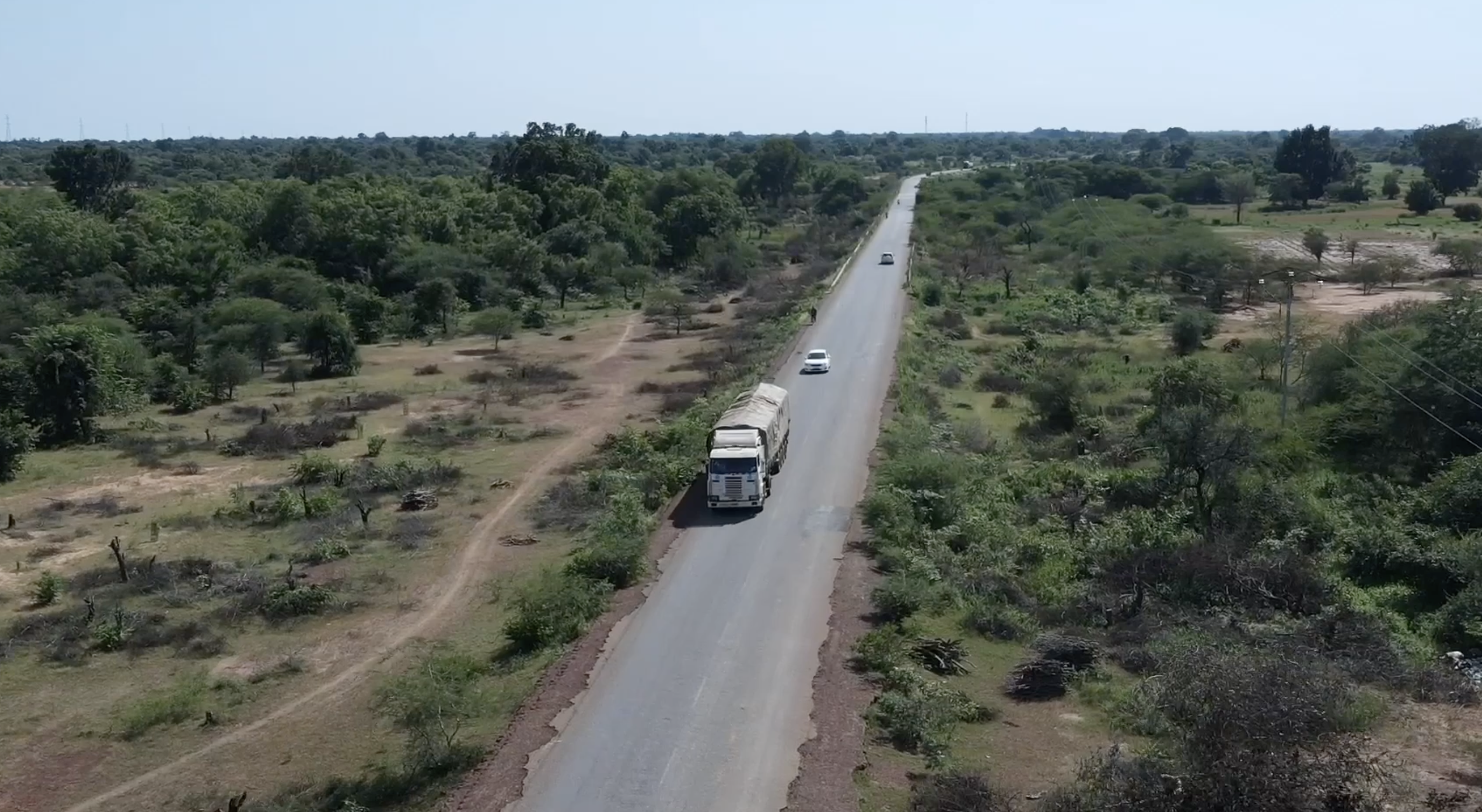
In Burkina Faso, ongoing conflict has forced more than 2 million people from their homes, many of them fleeing with only what they could carry. They’ve found refuge in camps or with host communities, often in areas cut off by insecurity and sudden population movements, making it difficult to reach them with lifesaving supplies and services.
Using flexible humanitarian funding, UNICEF has put in place a strategic pre‑positioning and remote‑readiness model: supplies are moved in advance and through localized supply chains so that essential supplies and WASH kits are immediately available when new needs emerge. Each distribution also allows teams to screen and treat children for acute malnutrition, to identify those in need of psychosocial support, and to reach out‑of‑school children with formal or non‑formal learning programmes. These models cut response times and ensure that the most isolated children in Burkina Faso still received life‑saving support and a pathway back to education.
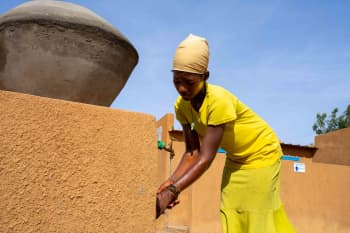
Sonia Kabore, logistics officer at UNICEF, controls nutritional supplies at the UNICEF warehouse in Ouagadougou, Burkina Faso © UNICEF/UNI865553
Sonia Kabore, logistics officer at UNICEF, controls nutritional supplies at the UNICEF warehouse in Ouagadougou, Burkina Faso © UNICEF/UNI865553
Salif Sane, Forklift driver loads nutritional supplies on a truck in UNICEF warehouse, Ouagadougou, Burkina Faso © UNICEF/UNI865545
Salif Sane, Forklift driver loads nutritional supplies on a truck in UNICEF warehouse, Ouagadougou, Burkina Faso © UNICEF/UNI865545
UNICEF has prepositioned non-food items in Dedougou, to respond to the displacement crisis in the Boucle du Mouhoun © UNICEF/UNI813775
UNICEF has prepositioned non-food items in Dedougou, to respond to the displacement crisis in the Boucle du Mouhoun © UNICEF/UNI813775
UNICEF staff interact with partners about the non-food items prepositioned in Dedougou, to respond to the displacement crisis in the Boucle Du Mouhoun, Burkina Faso © UNICEF/UNI813774/
UNICEF staff interact with partners about the non-food items prepositioned in Dedougou, to respond to the displacement crisis in the Boucle Du Mouhoun, Burkina Faso © UNICEF/UNI813774/
UNICEF offloads school kits at the warehouse in Kaya, Centre Nord Region, Burkina Faso. © UNICEF/UNI443912/Cisse
UNICEF offloads school kits at the warehouse in Kaya, Centre Nord Region, Burkina Faso. © UNICEF/UNI443912/Cisse
14-year Juliette Ouedraogo receives a school kit from a UNICEF in Kaya, Centre Nord Region, Burkina Faso. © UNICEF/UNI443918/Cisse
14-year Juliette Ouedraogo receives a school kit from a UNICEF in Kaya, Centre Nord Region, Burkina Faso. © UNICEF/UNI443918/Cisse
Community health worker Oumarou goes back to Borguendé with boxes of ready-to-use therapeutic food. © UNICEF/UNI666698
Community health worker Oumarou goes back to Borguendé with boxes of ready-to-use therapeutic food. © UNICEF/UNI666698
UNICEF nutrition specialist Carine Therese Nga Edoa holds a child with a ready-to-use therapeutic food in Djibo, Burkina Faso. © UNICEF/UNI666717/
UNICEF nutrition specialist Carine Therese Nga Edoa holds a child with a ready-to-use therapeutic food in Djibo, Burkina Faso. © UNICEF/UNI666717/
Through strategic pre‑positioning and use of local supply chains, we reached over 55,000 people, more than half of them children, with essential supplies in Morolaba, Dori, Dédougou, Diabo, Di, Kaya, Pibaore, Yalgo and Pensa.
How joint efforts deliver supplies in Burkina Faso
Central African Republic
In the Central African Republic, years of conflict and instability have created a protracted country wide humanitarian emergency. In 2025, UNICEF used flexible global humanitarian thematic funding to help strengthen the recently created Ministry of Humanitarian Action and National Reconciliation, allowing it to start developing into the country‑wide lead on crisis response.
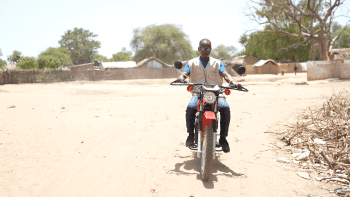
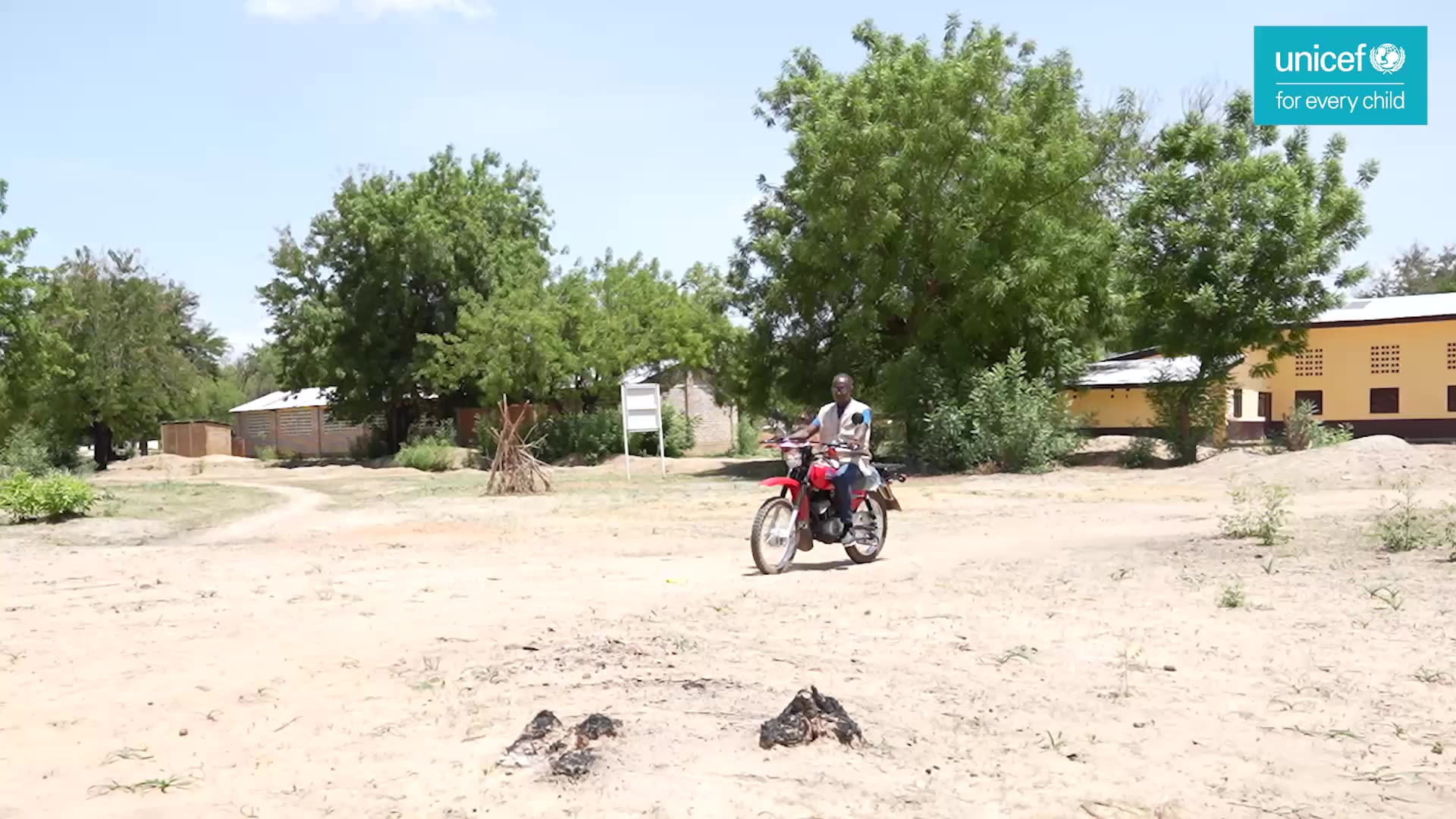
UNICEF backed the Ministry to move beyond Bangui by equipping newly appointed regional and prefectural representatives, convening a national workshop for ministry, UN and NGO actors, and providing the basic tools – from laptops and connectivity to motorcycles – needed to run decentralized offices. This investment enabled the Ministry to draft its first three‑year decentralization plan, start collecting and using humanitarian data from the field and, crucially, establish a presence in areas long hit by shocks – laying the groundwork for a more localized, government‑led humanitarian system that can better protect children over the long term.
27
Newly appointed regional and prefectural representatives of the Ministry of Humanitarian Action equipped with IT equipment, internet connectivity and motorcycles.
60
Participants trained on humanitarian principles, shock preparedness, coordination mechanisms, data management and roles and responsibilities in the field.
3
Three-year action plan for strengthening decentralized government engagement in humanitarian action.
Localisation in Humanitarian response
Bangladesh
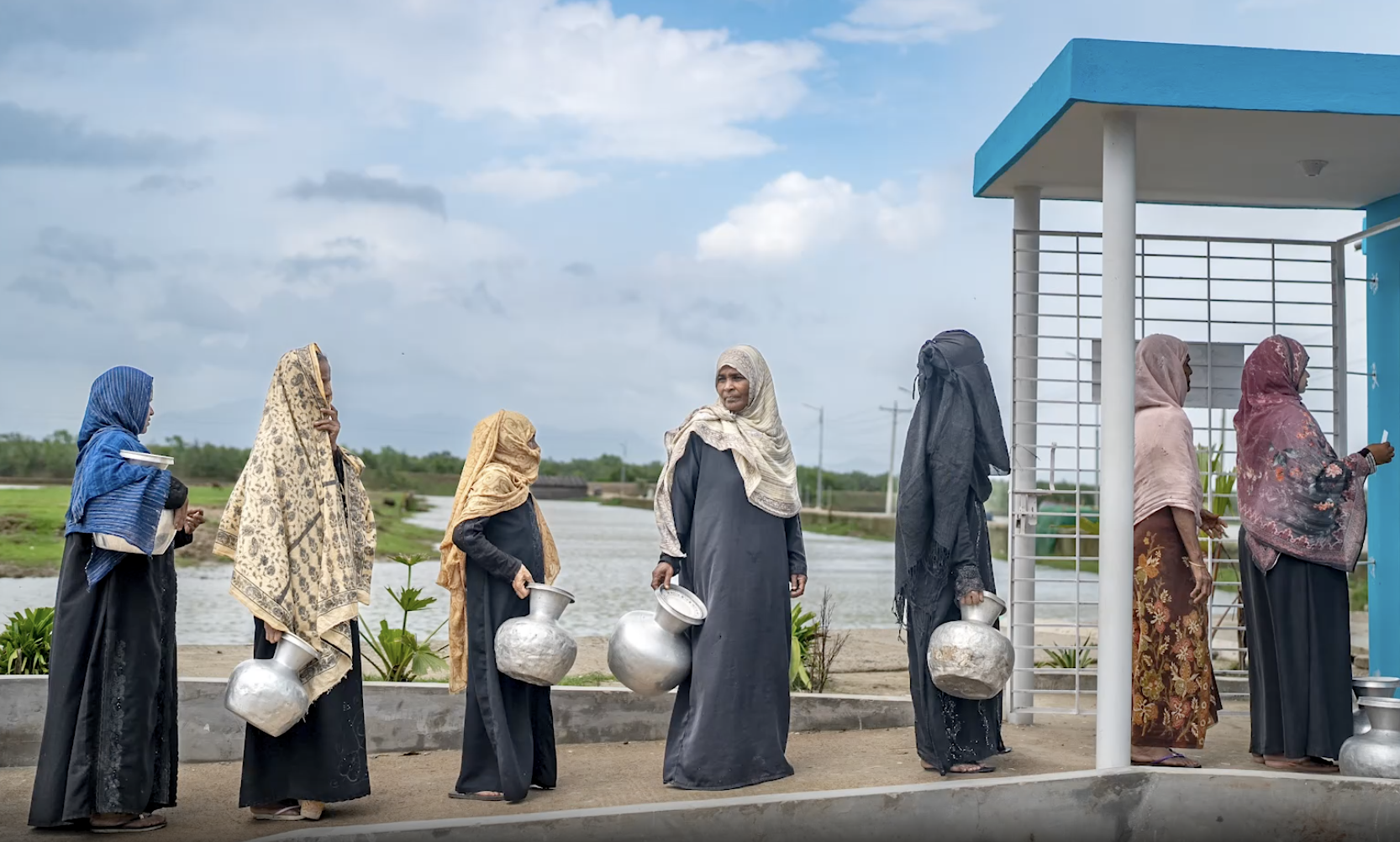
In Bangladesh, repeated climate shocks have trapped flood‑affected communities in a cycle of emergencies from which they struggle to recover. Water and Sanitation systems are especially vulnerable and in August 2024 alone, catastrophic flooding in Feni and Noakhali damaged around 170,000 water points, 321,000 latrines and disrupted services for millions of people, including over 2 million children.
Flexible global humanitarian thematic funding enabled UNICEF and the Government of Bangladesh to respond within 24 hours while also investing in climate‑resilient WASH reconstruction. Emergency supplies and mobile treatment plants were combined with elevated, reinforced, solar‑powered systems and targeted training, transforming a one‑off response into a government‑led, locally grounded effort to strengthen WASH services so future floods are less likely to deprive children of safe water, protection and schooling.
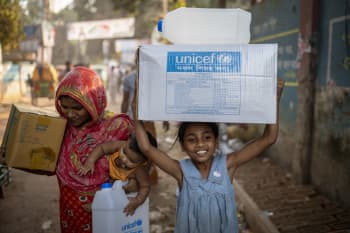
400 climate‑resilient tubewells; 350 elevated, disability‑inclusive and flood‑resilient latrines; and 22 solar‑powered water supply systems were constructed or rehabilitated.
Over 32,000 children reached through school‑based hygiene promotion.
827 local stakeholders trained on WASH maintenance, disaster risk reduction and climate adaptation.
400 climate‑resilient tubewells; 350 elevated, disability‑inclusive and flood‑resilient latrines; and 22 solar‑powered water supply systems were constructed or rehabilitated.
Over 32,000 children reached through school‑based hygiene promotion.
827 local stakeholders trained on WASH maintenance, disaster risk reduction and climate adaptation.
Bangladesh
Haiti
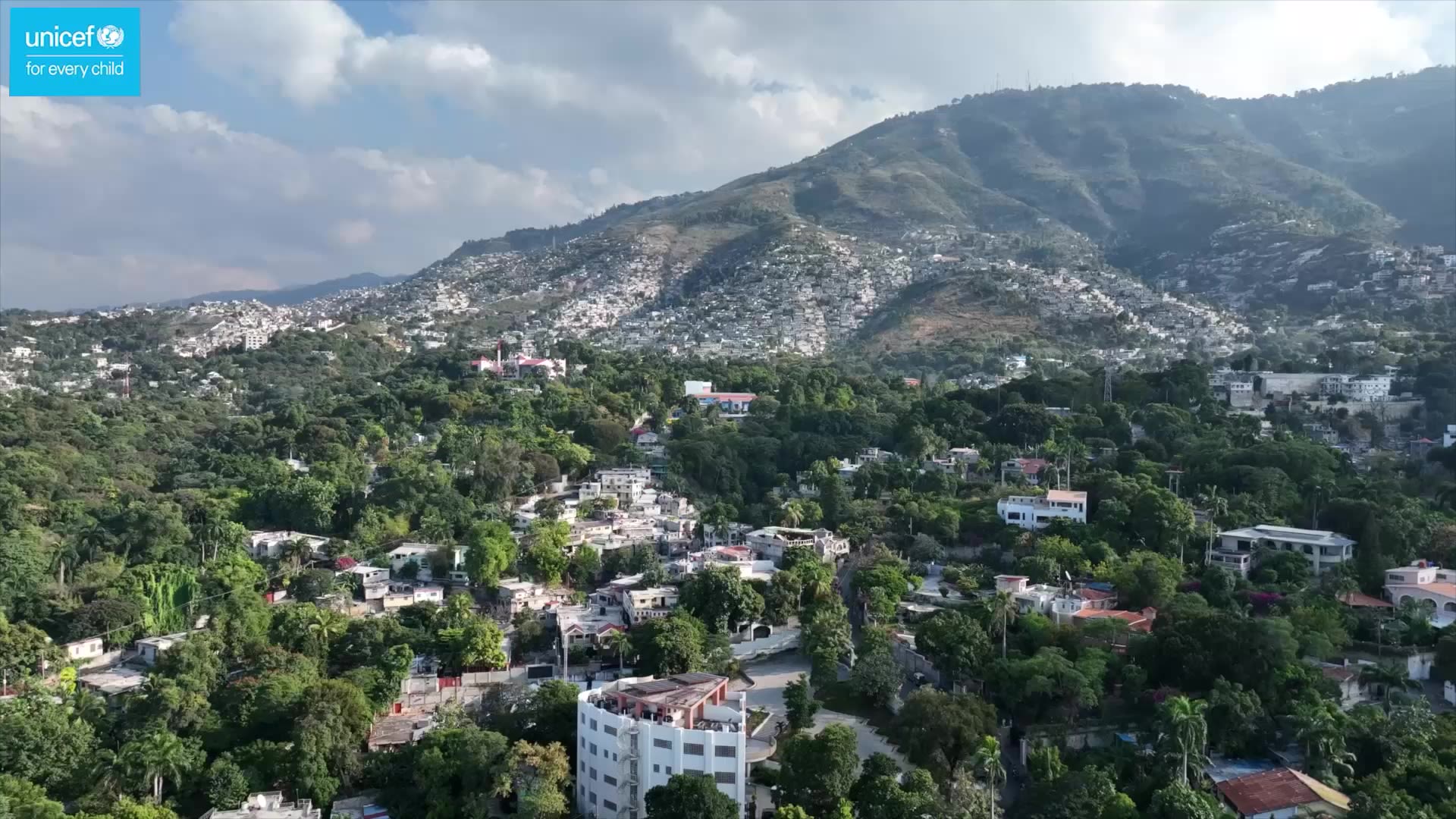
In Haiti, armed gang violence in the Port‑au‑Prince area has displaced thousands of families and turned public schools into makeshift shelters, shutting classrooms and cutting more than 8,500 children off from learning. Working with the Ministry of National Education and Professional Training, UNICEF used flexible humanitarian thematic funding to rapidly assess 44 public schools and identify the most urgent repairs needed to make them safe, dignified host sites for displaced students. Ten schools were then prioritized for comprehensive rehabilitation – from classroom repair and new sanitation blocks to handwashing stations, desludged septic tanks, school furniture and hygiene promotion – helping children return to safer learning spaces where access to water and sanitation reduces disease risks and, just as importantly, restores a sense of normalcy and hope in the midst of crisis.
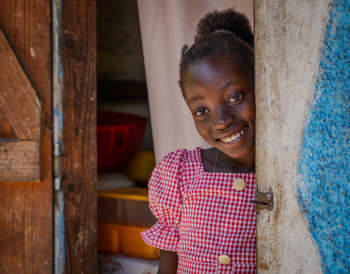
Haiti Port-au-Prince Back to School
157
Rehabilitated classrooms, improving learning environments for almost 7,000 pupils, including over 3,000 girls.
3,200
Community members trained, half of them women, on child protection, WASH management and hygiene promotion.
2,199
Rehabilitated or built school sanitation facilities, adding 143 toilets with cleaning supplies, handwashing stations, urinals and reliable water supply.
Provided essential learning and WASH equipment, including thousands of tables and benches, sanitation kits and cleaning materials.
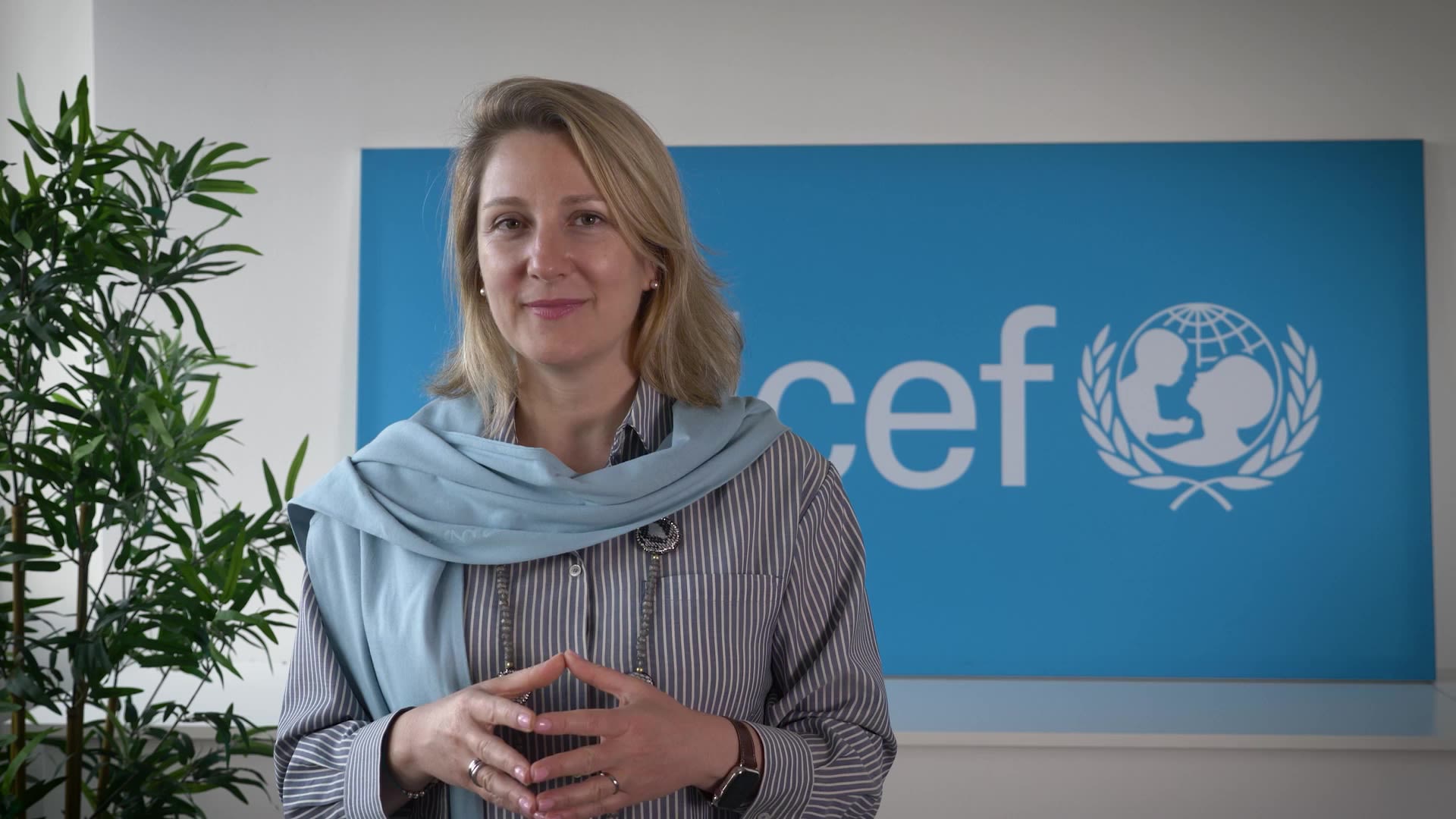
Carla Haddad Mardini, Director of UNICEF’s Private Fundraising and Partnerships (PFP) Division, thanks donors and partners for their support in 2025 and calls for continued solidarity so that UNICEF can keep delivering for children in humanitarian crises around the world.
Carla Haddad Mardini, Director of UNICEF’s Private Fundraising and Partnerships (PFP) Division, thanks donors and partners for their support in 2025 and calls for continued solidarity so that UNICEF can keep delivering for children in humanitarian crises around the world.
"Our partnership with UNICEF is very important to us. It is truly fulfilling to give back to local communities, to support children’s rights and well-being, and to contribute to a more sustainable future. When you invest in children, you can never be wrong – they carry the energy and hope for the future. Through our partnership, we hope to help them achieve their dreams"
Clémentine Gauthier‑Medina,
CSR Director, TP Group
"We are proud to support UNICEF’s work in emergencies and to contribute to an approach that prioritises both immediate life-saving interventions and longer-term resilience. This partnership reflects our commitment to backing organisations that deliver tangible results under the most challenging conditions. At a time when global humanitarian needs continue to rise, sustained commitment and trust in experienced partners like UNICEF has never been more important."
Eric Bendahan,
Founder, ELEVA Capital
 Built with Shorthand